
How to Order Custom Stationery
Move from an initial product brief to an approved specification, production reference and shipment release.
Build a custom stationery order around the intended product, approved sample and buyer-controlled brand requirements. The quotation establishes materials, production scope, packing and delivery arrangements.
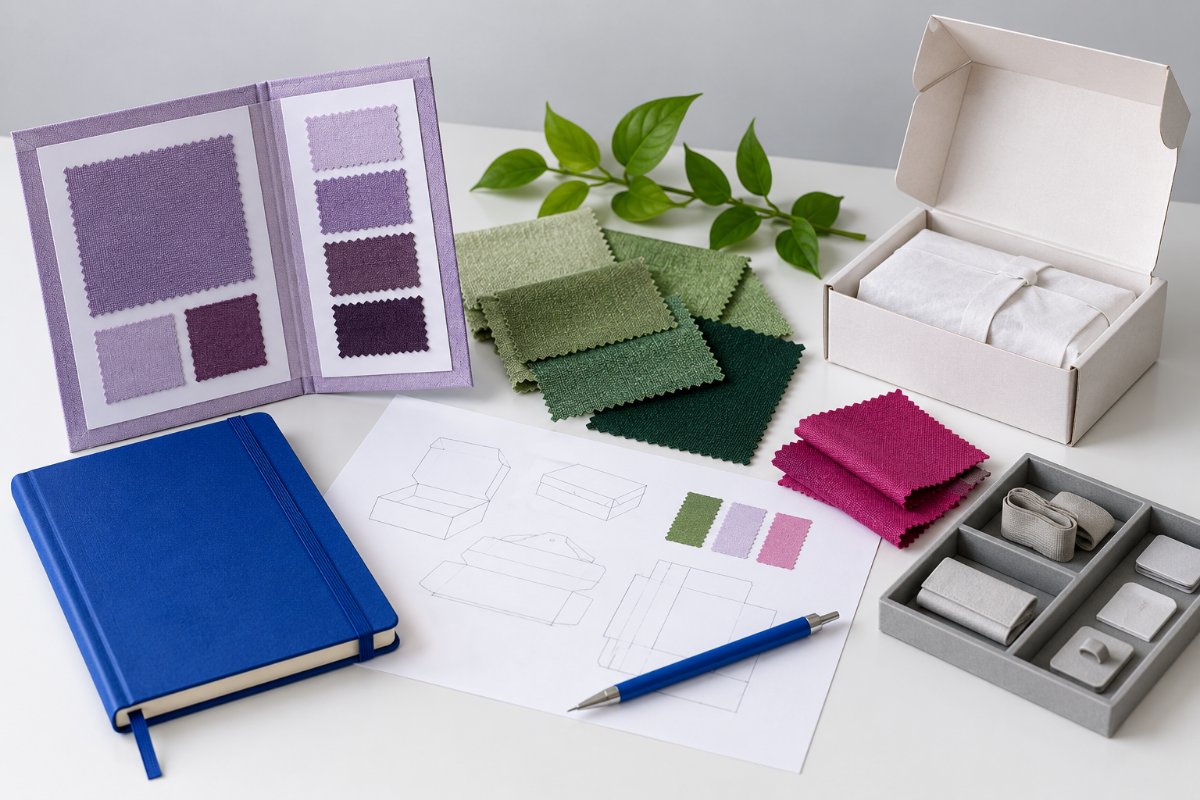
Resolve construction and approval requirements before the production run.
A reference sample or drawing helps resolve details that are difficult to describe in words.
| Product | Family, type, intended use and contents or inserts. |
|---|---|
| Quantity | Quantity per product type, size, colour or artwork version. |
| Construction | Dimensions, material, mechanism or binding and any functional requirements. |
| Artwork | Print files, colour references, decoration and branding positions. |
| Packing | Unit pack, set composition, barcode/SKU labels and carton requirements. |
| Delivery | Destination, target date and preferred shipment arrangements. |
| Inspection | Target market, tests, documentation and buyer-appointed inspection scope. |
Samples establish fit, material, artwork and finish before production.
Confirm availability, dispatch arrangements and any sample-related charges for your enquiry.
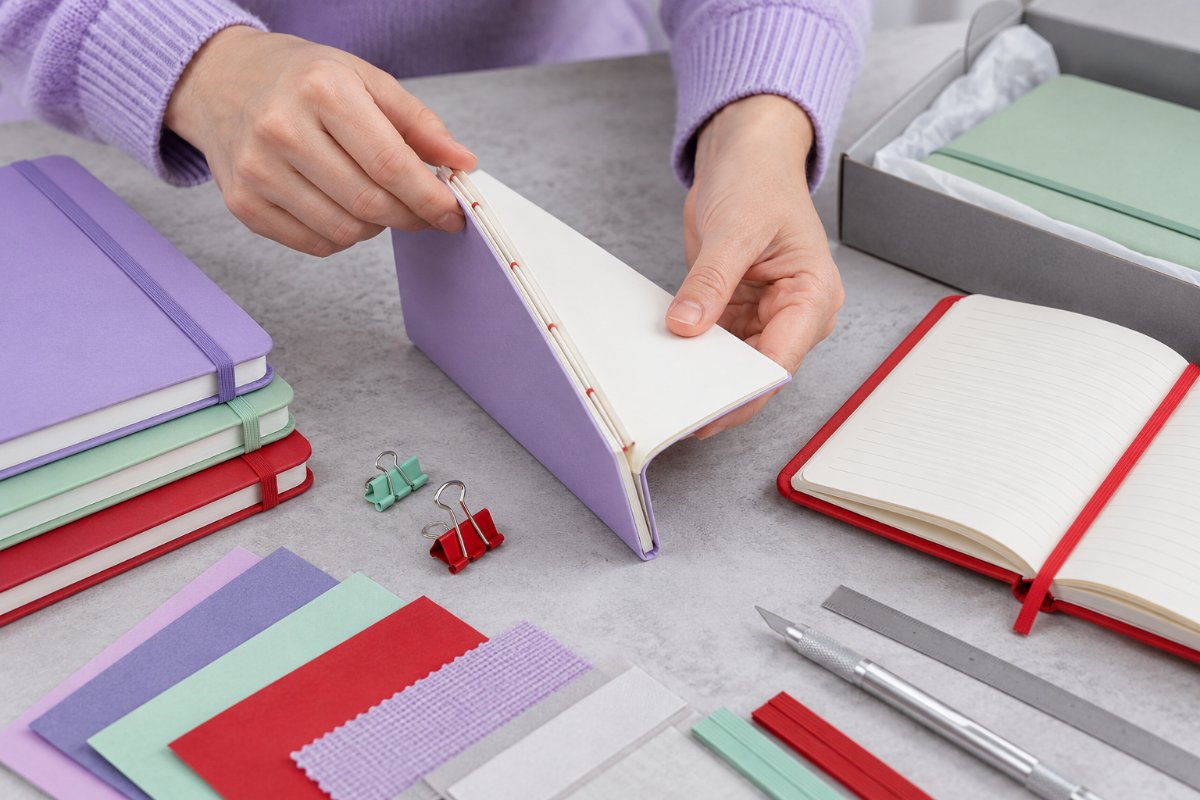
Products can carry buyer-approved identity or use neutral packing.
Agree artwork confidentiality, buyer-specific tooling, barcode labels and packaging instructions as part of the program. Customer names and supply relationships are not used as public factory references.
Explore the private-label programConfirm the applicable terms for the final specification and order conditions.
| Standard published MOQ | From 300 pieces per product type; confirm the applicable minimum for the chosen construction and assortment. |
|---|---|
| Published production timing | Typically 7–30 days, subject to approved specification and order conditions; confirm the schedule for your project. |
| Export port | Shenzhen |
| Shipping framework | Incoterms 2020, with the named place and responsibilities agreed in the order. |
| Documents | Confirm carton marks, required shipment documents and any neutral documentation requirements. |

Attach a drawing or reference and tell us the quantity and target delivery timing.
Choose a guide for the decision you are making.
Move from an initial product brief to an approved specification, production reference and shipment release.
Choose a stock reference, a construction sample or a decorated pre-production sample according to the decision you need to make.
Compare quotations by product construction and assortment, with a clear split between unit costs, development and packing.
Plan approvals, material readiness, production, inspection and transport as separate milestones.
Prepare artwork that remains correctly positioned through printing, folding, binding and assembly.
Specify layers, surface behaviour and evidence requirements before choosing decoration.
Turn buyer requirements into product-specific checks and a documentation request tied to the actual order.
Specify the retail unit, protective packing and shipping assortment together.
Coordinate the named delivery point, packing data, inspection release and shipment documents.
Reorder against a controlled product reference while checking materials, artwork and commercial conditions.